
Custom Poly Bags / Bin Liners
Custom bin liners for container and process packaging projects.
Begin with the container, the product or use context, and the liner direction you are trying to define. A photo, drawing, sample or existing liner can make the first conversation more specific.
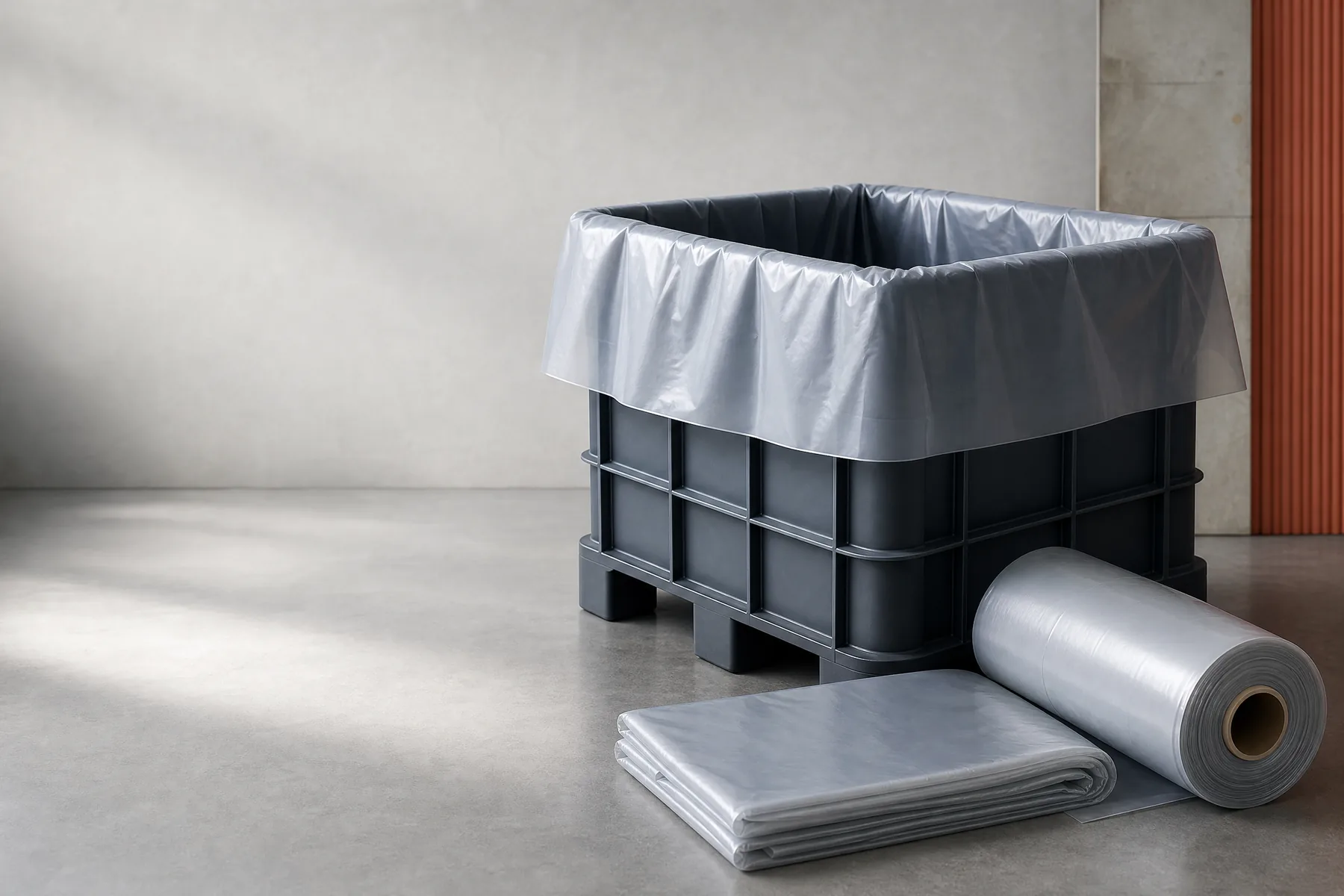
Product information
Use the container as the starting point.
A custom liner brief is easier to organize when it connects the container, contents and handling context. The following categories help define a project without making assumptions about the final construction.
Container geometry
Share the bin, tote, box or container type, opening, width, depth, height and any tapered or non-standard profile.
Product & use context
Describe what the liner will contain, protect or support, together with handling, disposal or process context that matters to the project.
Pack & sourcing direction
Include reference liner, roll or pack direction, branding question, destination market, estimated quantity and any timing information.
Project brief checklist
Bring the dimensions or reference you already have.
- Container photo, drawing, model or current liner reference
- Top opening plus width, depth, height or diameter information
- What the liner is intended to contain, protect or support
- Any required overhang, handling or packing direction
- Branding, printed information or private-label question if relevant
- Destination market, estimated quantity and project timing
Related packaging directions
Compare bags, liners and packaging formats from the same project brief.
Custom Poly Bags
Explore a broader poly bag direction for packaging, protection and handling discussions.
Request a Quote
Send the container, product and liner context you have today.
View Packaging Formats
Compare flexible pouches and poly packaging routes before your project brief.
Bin Liners FAQ
A container-liner brief
A photo or drawing is often the best place to start.
A useful liner discussion begins with the container and how it is used—not a preselected specification. Share the details you have today so the project questions can be reviewed around the actual container, item and handling routine.
| What you can share | Why it is useful |
|---|---|
| Container photo, drawing or dimensions | It helps describe the shape and opening that the liner needs to be discussed around. |
| Product and normal use | It connects the liner brief to the item, filling or handling routine rather than a generic bag list. |
| Existing liner or package reference | A sample, photo or current reference shows what is already working and what still needs review. |
| Market, quantity and timing | It gives the project team the commercial context without committing to a delivery or production claim. |
Need a different starting point? Browse Custom Poly Bags or Gusseted Poly Bags for product-level bag formats, use Parts, Retail & Mailing for item-count and packing-flow questions, or review all packaging formats before sending a project brief.
Questions specific to custom bin liner projects
Can a bin liner be discussed around an actual container or tote?
Yes. Share the container type and its useful measurements, such as top opening, width, depth, height, shape or a drawing/reference. These inputs are more useful than capacity alone when fit is important.
What should I include for a custom bin liner inquiry?
Start with what the liner will line or protect, the container geometry, product or use context, any current liner reference, desired pack or roll format, estimated quantity and destination market.
What is the difference between a bin liner and a box or tote liner?
The terms can overlap. The useful distinction is the container and project use: bins, totes and boxes may require different fit, overhang, base or packing discussions. A photo, drawing or existing liner helps define the project.
Can I discuss a liner project before the final specification is confirmed?
Yes. The first discussion can identify what needs confirmation. Do not assume material, thickness, seal configuration, performance, compliance or packing details before the project requirements are reviewed.
Can I request printing or a private-label packing discussion?
You can include the intended branding, instructions, artwork status and pack direction in the brief. Feasibility and any production requirements must be confirmed for the final project.